Aluminium Patio Doors for Natural Light
The Rewards of Fitting Energy-Conserving Sliding Doors in Your Home
Energy-efficient sliding doors function as a practical solution for homeowners seeking to enhance their living spaces. These doors not only strengthen insulation but also support an surplus of natural light, which can change the ambiance of any room. Their modern design can amplify a home's curb appeal and market value. However, the benefits transcend aesthetics and comfort, necessitating a closer study of their overall impact on home efficiency. What elements should homeowners take note of?

How Glass Sliding Doors Tackle Thermal Efficiency Challenges?
Sliding doors, though visually appealing, serve a significant function in boosting energy efficiency within homes and commercial spaces. Their design permits for abundant natural light, reducing the need for artificial lighting during the day. This natural illumination not only illuminates interiors but also leads to lower energy consumption.
In addition, modern sliding doors are regularly equipped with advanced weatherproofing measures and premium glazing, which minimize air seepage. This prevents drafts and promotes preserving a regular interior climate, finally reducing energy expenditures.
Additionally, the substantial glass panels can be designed to deflect heat during the summer and retain warmth in the winter, further aiding in energy conservation. By adding sliding doors into their construction, homeowners and businesses can achieve a balance between appearance and eco-consciousness, leading to a more efficient energy footprint while boosting the overall ambiance of their spaces.
How Glass Doors Enhance Your Home's Thermal Efficiency
While many property owners emphasize aesthetics, the insulation benefits of sliding doors are comparably important. High-performance sliding doors are engineered to minimize heat transfer, successfully maintaining homes heated during cold months and cooler in summer. They often include multi-chambered frames and thermal glass, which work together to reduce energy loss.
Additionally, these doors often come equipped with weathersealing materials that prevents drafts, additionally enhancing thermal efficiency. By forming a tighter seal, sliding doors assist in preserving a consistent indoor climate, decreasing the dependence on heating and cooling systems. This not only leads to increased comfort but also promotes lower energy bills.
Also, reinforced insulation can help reduce outside noise pollution, making a more serene residential environment. Generally speaking, the thermal properties of energy-efficient sliding doors offer real-world advantages that optimize the home's energy savings while delivering a comfortable living space.
Why Natural Light Impacts Your Home?
Natural light is essential in enhancing the ambiance and functionality of a home. It establishes a welcoming environment, causing areas to seem bigger and less confined. The presence of natural light can also improve mental state and overall wellness, contributing to a more cheerful living environment. Research demonstrates that time spent in sunlight can boost work performance and attention, providing significant advantages for work areas at home.
Moreover, sunlight can cut energy consumption by minimizing the reliance on artificial lighting during the day. This not only reduces electricity bills but also lessens the overall environmental impact. Also, homes awash with natural light often seem more aesthetically pleasing, effectively showcasing interior design elements. By integrating energy-efficient sliding doors, homeowners can enhance the influx of natural light while keeping energy efficiency, eventually increasing both comfort and visual appeal within their living spaces.
Enhancing Curb Appeal Using Sliding Doors
Installing energy-efficient sliding doors can substantially improve a home's curb appeal, as they blend functionality with modern visual appeal. These doors constitute a distinctive centerpiece, attracting attention and inviting passersby to appreciate the home's visual presentation. Available in various styles and finishes, sustainable sliding doors can complement diverse structural elements, from current to conventional.
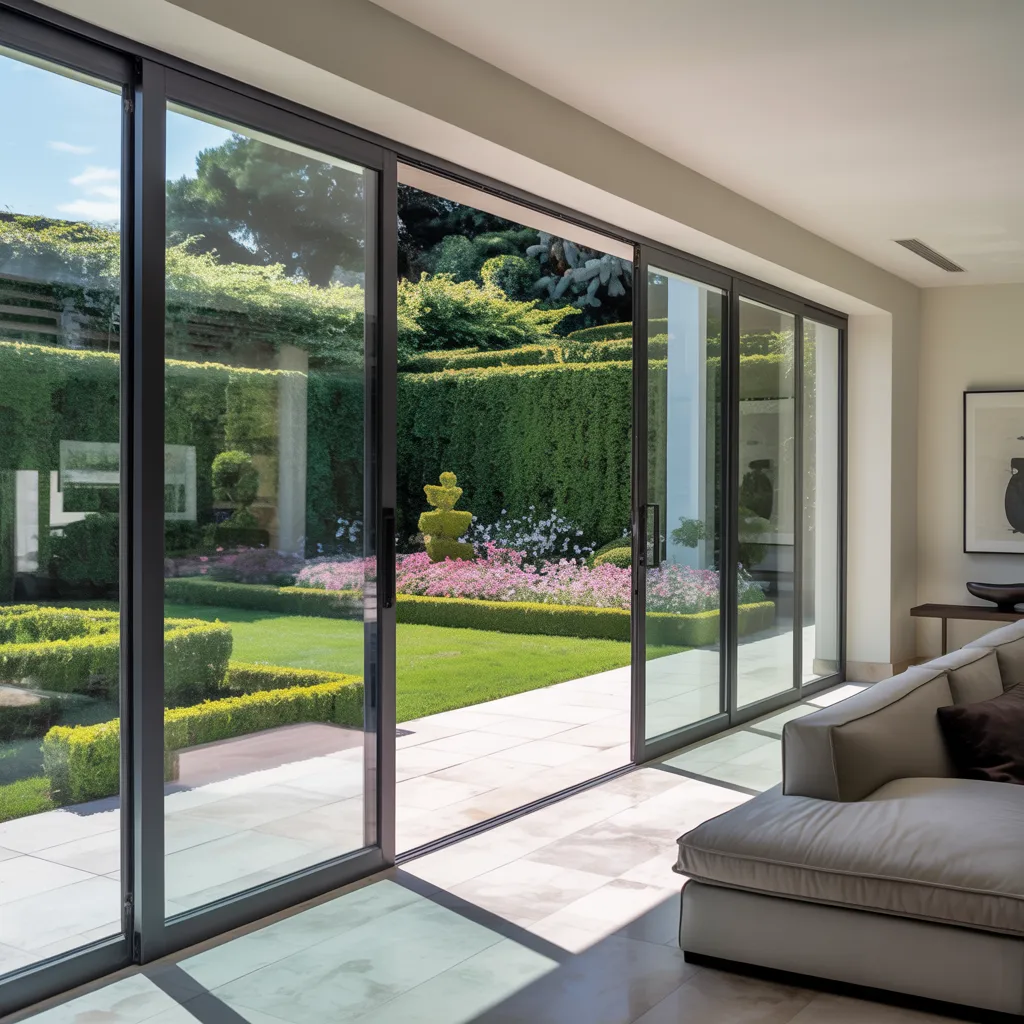
The large glass panels enable natural light to pour into interior spaces, generating an inviting atmosphere that stretches the living area outside. This seamless shift elevates the home's overall appeal, making it feel larger and more spacious. Moreover, homeowners can choose options that showcase their personal style, emphasizing their unique identity.
Moreover, the polished contours and uncluttered design of sliding doors establish a modern aesthetic, making the property more attractive to potential buyers. By investing in energy-efficient sliding doors, homeowners not only refine visual presentation but also enhance the property's resale value and market competitiveness.
Picking Materials for Energy-Efficient Sliding Doors
Picking the suitable materials for energy-conscious sliding doors is vital to boosting their output and visual charm. Standard materials comprise vinyl, fiberglass, and wood, each delivering different perks. Vinyl is celebrated for its exceptional insulation features and minimal care requirements, turning it a preferred pick. Fiberglass offers robustness and immunity to warping, while also supplying solid energy efficiency. Wood, though visually pleasing, often requires greater maintenance and may demand supplemental thermal support to achieve energy standards.
The selection of glass treatment also plays a vital role. Multi-pane glass with Low-E treatments can greatly minimize heat transfer, enhancing energy efficiency. Furthermore, choosing frames with thermal breaks can further improve insulation. In the end, a thorough evaluation of material options, paired with energy-saving features, guarantees that sliding door systems not only enhance the home's aesthetic appeal but also lead to lower energy costs and increased comfort.
Instructions for Fitting Power-saving Sliding Doors
The installation of high-efficiency sliding doors requires thorough planning and precise execution to ensure optimal performance and longevity. Start by measuring the existing door frame exactly to ascertain a correct fit. Carefully remove the old door, taking care not to damage the surrounding structure. After the area is prepared, position the new sliding door into the frame. It is essential to confirm the door is straight and plumb; use shims if adjustments are necessary. Once secured, apply proper insulation around the frame to prevent air leaks. Weather stripping should be installed to improve energy efficiency. Finally, test the door’s operation to verify smooth sliding and secure locking mechanisms. This methodical approach not only improves energy efficiency but also supports the look and functionality of the home.
Critical Guidelines for Preserving Sliding Doors
Proper assembly of energy-efficient sliding doors provides the foundation for their extended life, but persistent servicing is equally essential to confirm superior results. Consistent scrubbing is essential; tracks should be freed of dirt and debris to stop obstruction and guarantee easy operation. Homeowners should check the weatherstripping at intervals for any erosion or impairment, upgrading it as required to maintain energy efficiency.
Coating the cylinders and rails with a silicone spray can help improve functionality and limit wear. Also, it is wise to check the alignment of the doors; improper alignment can lead to gaps that affect energy efficiency. Additionally, inspecting the glass for fractures or breaks will help prevent further damage and energy loss. Following these best practices helps homeowners to prolong the lifespan of their sliding doors while maximizing their energy-saving benefits. Routine maintenance improves aesthetics and also contributes to overall home comfort.
Often Requested Questions
What Do Average Energy-Saving Sliding Doors Cost?
The standard cost of high-efficiency sliding doors typically covers $800 to $3,000, contingent upon materials, size, and installation. Homeowners ought to consider future financial benefits on energy bills when assessing their investment in these doors.
In What Ways Do Sliding Doors Vary from Traditional Doors Regarding Thermal Efficiency?
Sliding doors typically offer excellent energy efficiency versus traditional doors, primarily due to their sophisticated insulation and see the full story sealing technologies. This design reduces air leaks, enhancing thermal performance and reducing heating and cooling costs in homes.
Is it Possible to Retrofit Current Doors for Superior Energy Efficiency?
Retrofitting current doors for enhanced energy efficiency is achievable through weather stripping, adding insulation, or adding energy-efficient glass. These modifications can enhance insulation and reduce energy loss, making older doors increasingly efficient without complete replacement.
Are Energy-Efficient Sliding Doors Qualified for Tax Incentives or Rebates?
Energy-efficient sliding doors might be eligible for tax credits or rebates, depending on local and federal programs. Homeowners should review specific eligibility requirements and consult with tax professionals to maximize potential financial benefits.
What Warranties Are Accessible for Energy-Efficient Sliding Doors?
Various warranties for energy-efficient sliding doors feature manufacturer guarantees, which often cover defects for 10-20 years, and limited lifetime warranties that may cover specific parts. Homeowners should examine terms to ensure sufficient coverage against potential problems.